

In meteorological monitoring systems, the wind sensor is one of the core components. Today, most users typically choose between mechanical wind sensors and ultrasonic wind sensors.
But do you know when to opt for a mechanical anemometer versus an ultrasonic one? This article will help you figure it out!
Their differing operating principles determine their distinct characteristics regarding accuracy, maintenance requirements, service life, and application scenarios. This article provides a detailed comparative analysis covering everything from their structural design and operating principles to their practical applications.
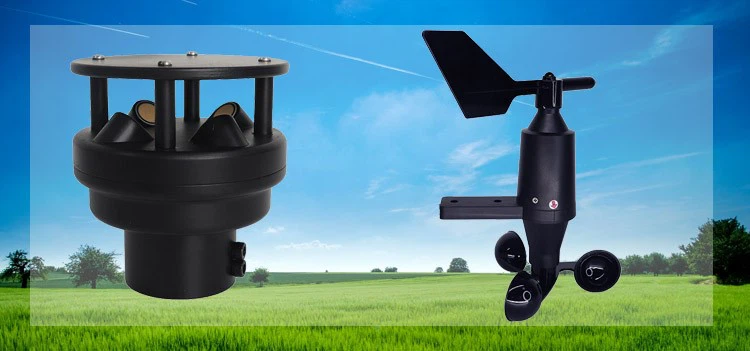
What is a Mechanical Wind Sensor?
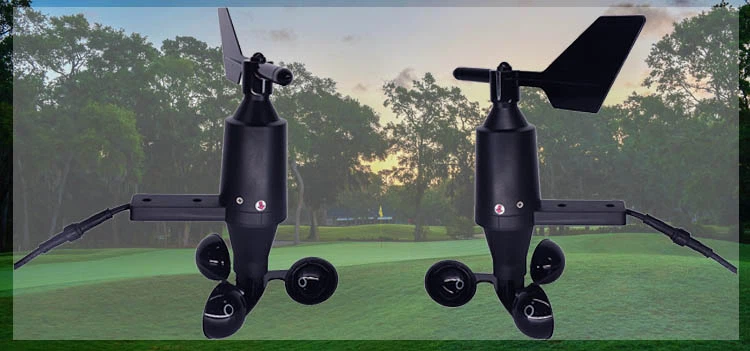
A mechanical wind sensor is a traditional device used for measuring wind speed; it has been widely adopted in early-generation weather stations and basic environmental monitoring projects.
It relies on a "mechanical rotating structure" to detect changes in wind speed. Consequently, while its structure is relatively simple, it is susceptible to physical wear and tear.
How Mechanical Wind Sensors Work
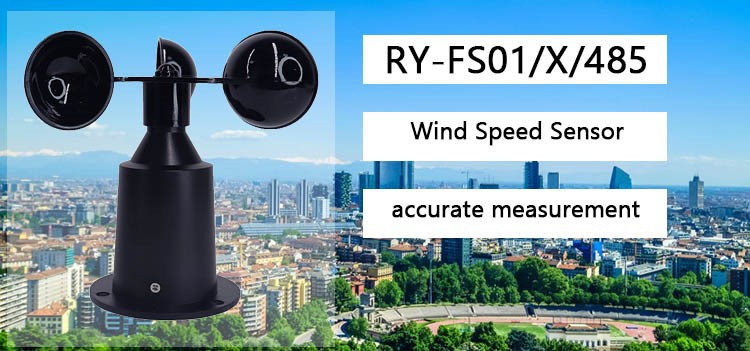
The operating principle of a mechanical wind sensor is based on the relationship between the rotation of its wind cups (or propeller) and the wind speed.
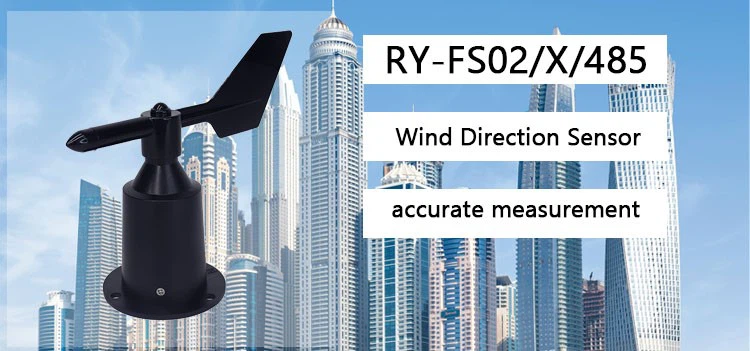
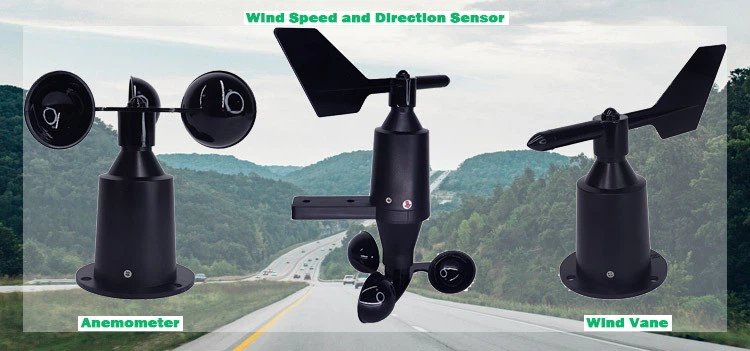
When the wind blows against the cups or propeller blades, it generates rotational motion. Internal sensors then convert this rotational speed into wind speed data, while wind direction is typically measured by a separate wind vane.
How the Wind Cup Structure Affects Measurements
The wind cup design is the most common configuration for mechanical wind sensors, calculating wind speed based on the frequency of the cups' rotation.
Precisely because of the inertial nature of this rotating structure, wind cup sensors exhibit a relatively slow response time when wind speeds change abruptly; however, they provide highly reliable data under stable wind conditions.
Advantages and Limitations of Mechanical Wind Sensors
The primary advantages of mechanical wind sensors lie in their low cost, proven structural design, and ease of deployment. For these reasons, they remain widely utilized in basic meteorological stations. H4: Advantages of Mechanical Wind Sensors
Mechanical wind sensors offer the following advantages:
Simple structure and mature technology
Lower cost, making them suitable for large-scale deployment
Good stability in high-wind-speed environments
Disadvantages of Mechanical Wind Sensors
However, they also present distinct drawbacks:
Limited lifespan due to mechanical wear and tear
Requires periodic maintenance (e.g., bearings, wind cups)
Operation is easily affected by icy, snowy, or dusty environments
Slower response speed
What is an Ultrasonic Wind Sensor?
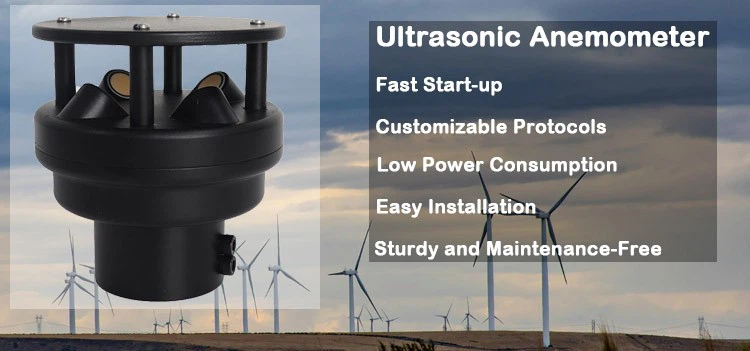
An ultrasonic anemometer is a new type of digital sensor for measuring wind speed and direction, widely used in modern meteorological monitoring, smart agriculture, and environmental monitoring systems.
Its most distinctive feature is that it has no moving parts; it calculates wind speed and direction by measuring the time difference in the propagation of sound waves.
How Ultrasonic Anemometers Work
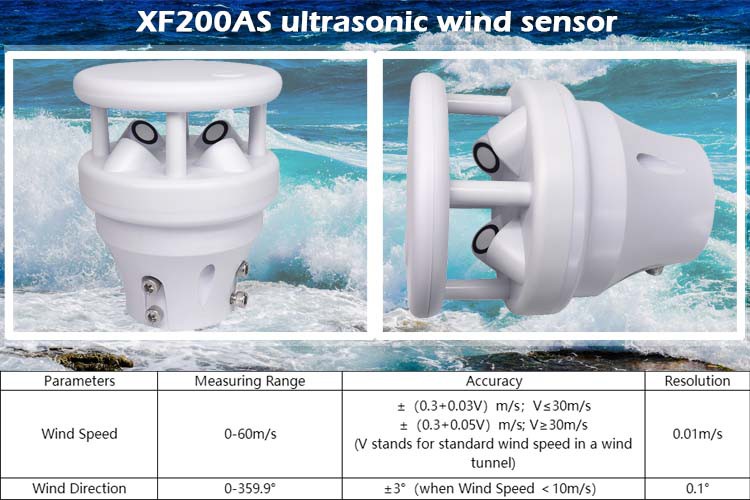
Ultrasonic wind sensors operate by utilizing multiple pairs of transducers to transmit ultrasonic signals to one another.
Wind speed affects the propagation velocity of sound waves; by measuring the time differences across different directions, the system can accurately calculate both wind speed and wind direction.

How Time-Difference Measurement Calculates Wind Speed
Ultrasonic anemometers calculate wind speed by comparing the propagation times of sound waves traveling in "downwind" versus "upwind" directions.
This method eliminates errors associated with mechanical structures, resulting in more stable data and faster response times.
Advantages and Limitations of Ultrasonic Anemometers
Ultrasonic anemometers are becoming increasingly popular in modern meteorological systems, particularly in scenarios requiring high-frequency data acquisition.
Advantages of Ultrasonic Wind Sensors
The primary advantages of ultrasonic wind sensors include:
No mechanical components, making them virtually maintenance-free
Fast response speed, capable of capturing instantaneous changes in wind speed
High accuracy, suitable for research-grade applications
Long operational lifespan
Limitations of Ultrasonic Wind Sensors
However, they also face certain limitations:
Sensitivity to heavy rainfall or icing conditions
Relatively higher cost
Higher requirements regarding power supply stability and electronic reliability
Mechanical vs. Ultrasonic Anemometers: A Core Comparison
In practical applications, the choice between a mechanical wind sensor and an ultrasonic wind sensor should be determined based on the specific requirements of the project.
Comparison of Structure and Maintenance
Mechanical anemometers rely on physical rotating structures, whereas ultrasonic anemometers are based entirely on electronic measurement principles.
Differences in Maintenance Costs
Mechanical anemometers require the periodic replacement of bearings and wind cups, whereas ultrasonic anemometers are virtually maintenance-free; consequently, their long-term operating costs are lower.
Comparison of Measurement Performance
There are distinct differences in measurement performance between the two types of wind sensors.
Response Speed and Accuracy
Ultrasonic anemometers significantly outperform mechanical anemometers in terms of response speed and the ability to capture instantaneous wind speeds, while mechanical anemometers still retain certain advantages in the measurement of stable, averaged wind speeds.
Comparison of Application Scenarios
Different types of anemometers are suited to different application scenarios.
Application Scenarios for Mechanical Anemometers
Mechanical Wind Sensors are better suited for:
Basic monitoring in the wind power industry
Meteorological station projects with limited budgets
Regions with extreme environments and high wind speeds
Application Scenarios for Ultrasonic Anemometers
Ultrasonic Wind Sensors are better suited for:
Smart meteorological systems
Environmental monitoring networks
Smart agriculture
Scientific-grade meteorological data acquisition
How to Choose the Right Wind Sensor
When selecting a wind speed and direction sensor, there is no absolute "best" option-only the "most suitable" one.
If a project prioritizes cost-effectiveness and resilience against extreme wind conditions, a mechanical anemometer remains a viable choice;
If the priority lies in accuracy, real-time data capabilities, and long-term maintenance-free operation, an ultrasonic anemometer is the superior choice.


